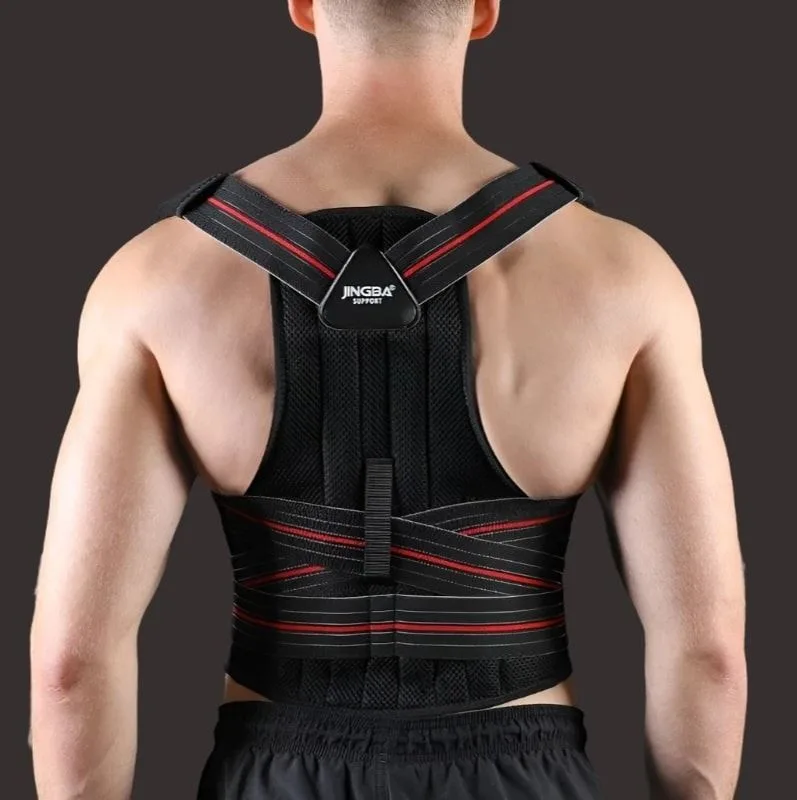
Spine & Back Braces in Abu Dhabi, UAE
Personalized Spinal Support & Orthotic Solutions
Quantum Medical provides spinal orthotic solutions designed to support individual clinical, anatomical, and rehabilitation requirements. Based in Abu Dhabi, UAE, we combine appropriate clinical assessment, digital design technologies, and customized device development to support spinal positioning, stability, and movement control. Our solutions are developed according to individual requirements and relevant healthcare professional recommendations.
What Are Spine & Back Braces?
Spinal orthoses, commonly known as spine or back braces, are external support devices designed to help control spinal movement, provide stability, or support appropriate alignment.
Depending on their design and clinical purpose, these devices may support specific regions of the spine, including the cervical, thoracic, lumbar, and sacral areas.
Spinal braces may be considered as part of a broader treatment or rehabilitation plan following professional assessment. The type of brace, level of support, and duration of use depend on the individual's condition and clinical needs.

Responsible Clinical Practice
Device suitability, wearing schedules, and functional goals are determined following clinical evaluation by qualified healthcare professionals.
Explore Our Spine & Back Brace Solutions
Different spinal conditions may require different levels of external support. Quantum Medical's spinal orthotic portfolio includes solutions designed for various anatomical and functional needs.
Cervical Collars & Neck Support
Cervical orthoses are designed to support the neck and, depending on their design, limit specific cervical movements. Different support levels may be considered for selected clinical requirements, including certain injuries, post-operative situations, or other conditions requiring cervical stabilization. Selection and use must follow appropriate medical guidance.
Clinical & Design Features
Flexible Lumbar & Lumbosacral Supports
Flexible lumbar orthoses provide external support to the lower back while allowing a level of movement appropriate to the device design. These supports may be considered for selected mechanical or rehabilitation requirements following clinical assessment.
Available Designs in Catalogue
Key Clinical Features
Rigid & Semi-Rigid Spinal Orthoses
Rigid and semi-rigid spinal braces are designed to provide different levels of external stabilization and movement restriction. Depending on the specific device, these orthoses may be prescribed to support the spine during selected treatment or rehabilitation pathways. The appropriate design depends on the required level of control, anatomical region, and clinical assessment.
Rigid Spinal Orthoses
Rigid orthoses use structured components to restrict selected spinal movements when greater external stabilization is clinically indicated.
Semi-Rigid Spinal Orthoses
Semi-rigid designs combine supportive and flexible components to provide a balance of stability and functional movement.
Established Orthotic Classifications
LSO (Lumbosacral Orthosis)
External stabilization addressing the lumbar spine and lumbosacral junction.
TLSO (Thoracolumbosacral Orthosis)
Multi-segmental stabilization spanning thoracic, lumbar, and sacral levels for higher movement control.
Features
Specialized Lumbar Control Orthoses
Certain clinical situations may require specialized spinal orthoses designed to control particular movement patterns or provide additional external support.
Chairback Lumbar Orthosis
A structured lumbar orthosis designed to restrict selected movements of the lower spine. The required level of stabilization depends on the device configuration and clinical prescription.
Raney Flexion Jacket
A specialized spinal orthosis designed to provide controlled positioning and support for selected lumbar and rehabilitation requirements.
When May a Spinal Brace Be Considered?
Spinal orthoses may be included in individualized treatment plans for selected spinal conditions or rehabilitation requirements. The decision to use a spinal brace depends on the diagnosis, clinical assessment, and recommendations of the treating healthcare professional.
Spinal Stabilization
Certain orthoses are designed to provide additional external support or limit specific spinal movements.
Post-Operative Support
Selected spinal braces may be prescribed following surgery when movement control or external support is clinically required.
Rehabilitation Support
Spinal orthoses may form part of an individualized rehabilitation plan alongside appropriate clinical care.
Postural & Alignment Support
Specific orthotic designs may assist with positioning or alignment when clinically indicated.
Personalized Spinal Orthotics Through Digital Design
Spinal orthotic design requires consideration of anatomical measurements, device purpose, fit, and functional requirements. Quantum Medical's approach focuses on combining relevant clinical information with appropriate design and fabrication technologies. Depending on the device and individual requirements, the process may involve digital measurements, CAD/CAM-assisted design, and customized fabrication. The objective is to develop an appropriate orthotic solution based on the prescribed requirements.
Digital Assessment
Collecting appropriate anatomical measurements and relevant information for device planning.
CAD/CAM Design
Using digital design tools where appropriate to develop and refine device specifications.
Customized Fabrication
Selecting suitable fabrication methods and materials according to the device requirements.
Fit Evaluation
Reviewing relevant device fit, positioning, and functionality with adjustments where appropriate.
From Clinical Requirements to Individualized Support
A structured approach helps ensure that spinal orthotic solutions are developed around relevant clinical and individual requirements.
Assessment & Requirements
Understanding the intended device purpose, relevant measurements, clinical recommendations, and individual support requirements.
Device Planning & Design
Selecting an appropriate orthotic design and customization approach according to the intended clinical application.
Fabrication & Preparation
Developing or preparing the orthotic device using suitable materials and fabrication methods.
Fitting & Follow-Up
Reviewing fit and function, providing appropriate device guidance, and arranging adjustments or reviews where applicable.
Understanding Fit, Comfort & Follow-Up
Correct fitting and appropriate use are important considerations when wearing a prescribed spinal orthosis. Patients should follow the instructions provided by their treating clinician and orthotic professional. Relevant guidance may include how to position the device, when it should be worn, how to care for the materials, and when to request a fitting review.
Appropriate Fit
A spinal orthosis should be fitted and reviewed according to its intended design and clinical purpose.
Device Care
Cleaning and maintenance instructions depend on the device materials and manufacturer recommendations.
Follow-Up Reviews
Patients should seek professional advice if they experience persistent discomfort, skin irritation, or changes in device fit.
Supporting Healthcare Professionals Across the UAE
Quantum Medical welcomes collaboration with healthcare professionals involved in spinal care, orthotics, and rehabilitation services. Our approach emphasizes individualized device requirements, clear communication, and appropriate technical support. We welcome enquiries from hospitals, orthopedic specialists, rehabilitation centres, physiotherapists, and other healthcare professionals. Our objective is to support the selection and development of appropriate orthotic solutions based on individual clinical requirements.
Explore Related Orthotic Solutions
Chest Braces
Specialized orthoses for chest wall deformities (such as Pectus Carinatum and Excavatum), providing dynamic controlled compression.
Scoliosis Bracing
Internationally accredited Gensingen Braces by Dr. Weiss (GBW) under the German Schroth Best Practice protocol. Visit our dedicated page for full details.
Lower Limb Orthotics
AFOs, KAFOs, specialized knee braces, and pelvic orthoses engineered for biomechanical alignment and gait stability.
All Products & Solutions
Browse our complete clinical portfolio of 21 custom prosthetics, orthotics, pediatric care, and rehabilitation mobility systems.
Common Questions About Spine & Back Braces
Clear and medically responsible information regarding spinal orthotic care.
Looking for a Personalized Spinal Orthotic Solution?
Whether you are a healthcare professional exploring spinal orthotic options or an individual seeking information about prescribed spinal support, Quantum Medical welcomes your enquiry. Connect with our team to discuss available solutions and relevant clinical requirements.
Call Directly
+971 55 848 8759
Instant Chat
Email Enquiries
info@quantumuae.ae
Clinical Facility
Abu Dhabi, UAE