Custom Silicone Prostheses in Abu Dhabi, UAE
Personalized Finger, Hand & Partial Foot Restoration
Quantum Medical provides customized silicone prosthetic solutions designed to recreate selected anatomical features following limb loss or congenital limb differences. Based in Abu Dhabi, UAE, our silicone restoration solutions focus on individualized anatomical design, appearance, fitting, and appropriate material selection. Our approach combines clinical assessment, prosthetic sculpting techniques, and detailed finishing to develop personalized restoration solutions.
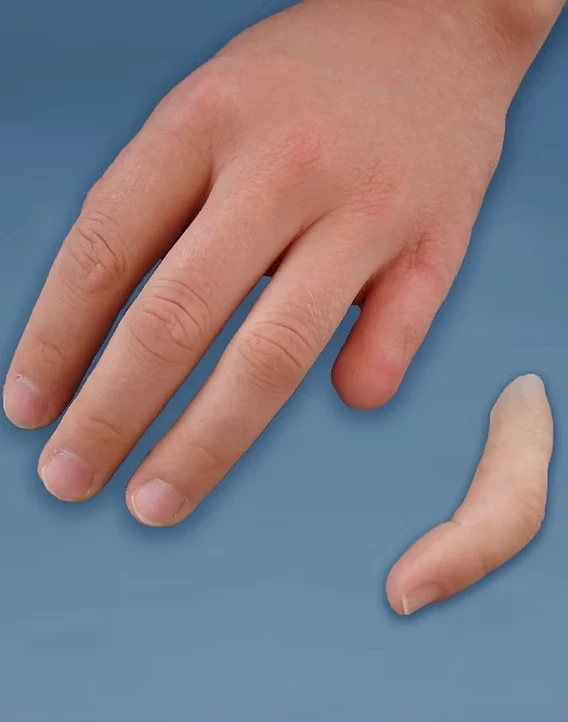
What Is Silicone Prosthetic Restoration?
Silicone prosthetic restoration involves the creation of customized artificial body parts designed to replace the appearance of missing anatomical structures. These prostheses may be considered following traumatic injury, selected surgical procedures, or congenital limb differences.
Depending on the specific device, silicone restorations may provide cosmetic reconstruction, selected protective coverage, or limited support during certain activities. Their primary purpose is often to recreate anatomical appearance rather than reproduce normal joint or muscle function.
At Quantum Medical, our approach focuses on individualized anatomical design, appropriate fitting, and carefully selected medical-grade materials. The suitable prosthetic solution depends on individual anatomy, skin condition, intended use, and professional assessment.
Personalized Anatomical Design
Sculpted to match individual contours, residual proportions, and sound-side reference anatomy.
Individual Skin-Tone Matching
Multi-layered pigmentation blending intrinsic and extrinsic tones to approximate natural complexion.
Detailed Surface & Texture
Careful reproduction of skin creases, pores, knuckle contours, and translucent nail aesthetics.
Individualized Prosthetic Fitting
Gentle anatomical suction or tailored retention evaluated through in-person clinical sessions.
Cosmetic & Functional Prosthetic Solutions
Prosthetic devices are developed for different purposes. Some primarily recreate anatomical appearance, while others incorporate mechanical or powered components to support selected activities. The appropriate solution depends on individual requirements, preferences, and clinical assessment.
Cosmetic Silicone Prostheses
Cosmetic silicone prostheses are designed primarily to recreate the appearance of missing anatomical structures.
Depending on the device, they may incorporate customized shape, colour, surface texture, and anatomical detailing. These devices generally do not reproduce active finger or joint movement.
Functional Prosthetic Solutions
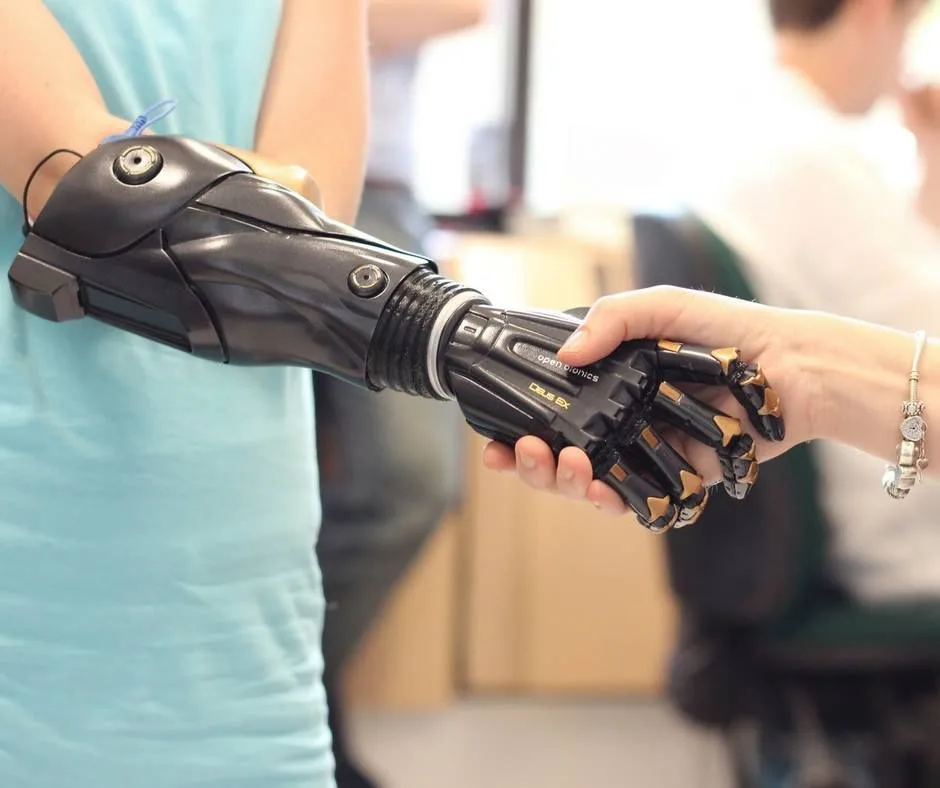
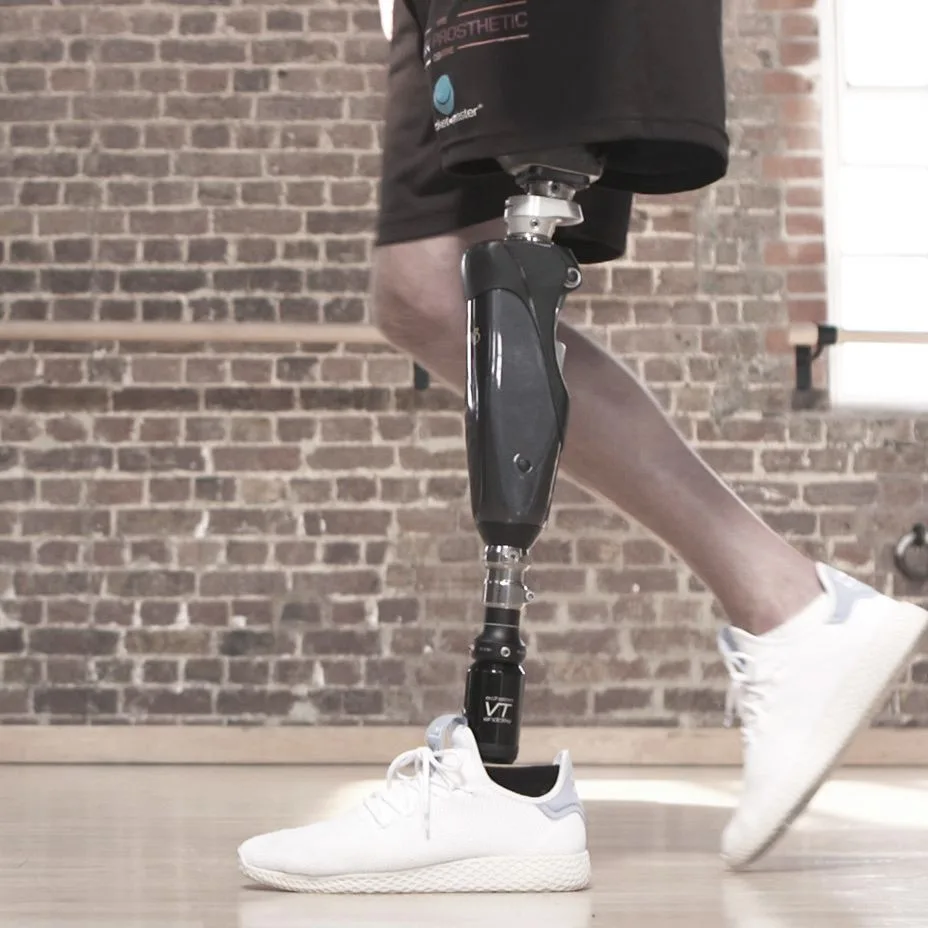
Functional prosthetic devices may incorporate mechanical, body-powered, or electronic components designed to support selected activities.
Some specialized partial hand or finger devices may provide specific functional assistance. However, these capabilities depend on device configuration and individual requirements.
Our Silicone Prosthetic & Restoration Solutions
Explore our three verified clinical solutions across two clinical groups: Lower Limb & Partial Foot Restoration, and Upper Limb & Hand Restoration.

Partial Foot Prosthetic Solutions
Customized silicone prosthetic solutions developed for individuals with limb loss affecting portions of the foot, engineered to restore anatomical shape, improve footwear fit, and provide gentle tissue coverage.
Main Purpose
Restoring anatomical foot contour and in-shoe volume following toe, ray, or transmetatarsal amputation, while accommodating individual weight-bearing and footwear considerations.
Potential Applications
- Toe and ray amputations
- Transmetatarsal and forefoot amputations
- Selected congenital partial foot differences
- Post-traumatic partial foot tissue loss
- Selected post-surgical reconstructive requirements
Key Clinical Considerations
- •Detailed clinical evaluation of remaining weight-bearing foot anatomy
- •Inspection of residual tissue tolerance and delicate surgical scars
- •Differentiation from load-bearing ankle disarticulations (e.g. Syme's level)
- •Coordination with supportive orthopaedic footwear or custom insoles
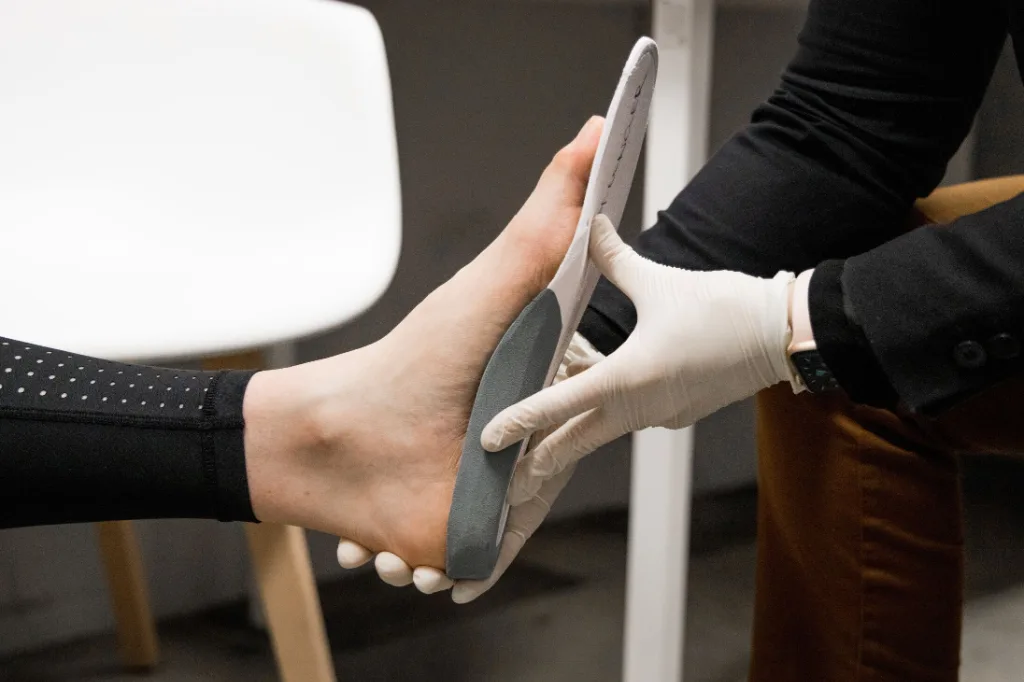
Custom Silicone Toe Fillers
Individually moulded silicone prosthetic components designed to occupy missing forefoot and toe volume inside standard or therapeutic footwear, helping support in-shoe contour and prevent shoe deformities.
Main Purpose
Accommodating missing toe volume to assist with footwear fit, maintain forefoot shape, and provide protective interface cushioning based on clinical recommendations.
Potential Applications
- Single or multiple toe amputations
- Partial ray amputations with intact hindfoot
- Forefoot volume loss requiring shoe filling
- Cosmetic toe contour restoration
- Post-surgical footwear accommodation needs
Key Clinical Considerations
- •Does not replace specialized diabetic offloading orthoses where indicated
- •Skin condition must be monitored closely in cases of sensory neuropathy
- •Fabricated to fit specific shoe types or integrated onto orthotic footbeds
- •Regular clinical inspection ensures no focal pressure builds over margins
Custom Silicone Finger & Partial Hand Prostheses
Individually sculpted passive silicone prostheses developed to recreate the anatomical contour, skin pigmentation, surface creases, and nail aesthetics of missing fingers or partial hand segments.
Main Purpose
Providing cosmetic restoration and anatomical symmetry for individuals with finger or partial hand differences, with selected configurations offering passive support for light stabilizing tasks.
Potential Applications
- Traumatic single or multiple finger amputations
- Partial hand loss preserving wrist mobility
- Congenital finger differences (e.g. symbrachydactyly)
- Post-oncological surgical resections
- Cosmetic restoration for social and professional confidence
Key Clinical Considerations
- •Passive silicone prostheses do not reproduce active muscular articulation
- •Retention depends on sufficient residual length and skin suction stability
- •Colour matching is customized in clinical clinic lighting to approximate natural skin
- •Where active motorized or body-powered grip is required, functional options apply
Natural-Looking Design Through Individualized Detailing
Cosmetic silicone prosthetic design involves careful consideration of anatomical shape, surface texture, colour, and individual preferences. The appearance of a prosthesis may be customized using appropriate silicone materials, pigmentation techniques, and finishing methods to approximate surrounding natural features.
Anatomical Shape
Developing prosthetic contours based on anatomical measurements, sound-side comparisons, and natural proportions.
Skin-Tone Matching
Selecting specialized intrinsic and surface pigmentation to approximate surrounding complexion variations.
Surface Texture
Incorporating delicate skin creases, natural pore textures, and finger or toe knuckle contours.
Personalized Finishing
Hand-crafting translucent acrylic or silicone nails, lunula details, and subtle colour gradients.
How Are Silicone Prostheses Fitted?
The fitting and retention of a silicone prosthesis depend on device design, remaining anatomy, skin condition, and intended use. Different prosthetic configurations require appropriate retention methods selected following professional assessment.
Anatomical Fit
Device shape and interior dimensions are contoured to match available residual anatomy, ensuring gentle and intimate contact.
Retention Considerations
Most finger and toe devices rely on gentle passive suction fit against healthy skin. Certain cases may utilize compatible skin adhesives.
Fitting & Adjustment
Professional fitting sessions evaluate comfort, contact security, easy donning and doffing, and tissue response under light activities.
Personalized Silicone Prosthetic Design & Fabrication
Silicone prosthetic restoration requires consideration of anatomical measurements, device requirements, material properties, and aesthetic preferences through five structured stages from clinical assessment to final fitting.
Assessment & Requirements
Understanding residual anatomy, tissue condition, lifestyle expectations, and clinical objectives.
Anatomical Measurement
Capturing topographical measurements, anatomical casting or surface scanning, and sound-side references.
Design & Material Selection
Selecting medical-grade silicone durometers (hardness) and formulating intrinsic base colour blends.
Fabrication & Finishing
Multi-layer moulding, hand-painting intrinsic details, characterization of veins and creases, and nail curing.
Fitting & Review
Evaluating intimate fit, retention security, colour integration under natural light, and patient comfort.
When May Silicone Prosthetic Restoration Be Considered?
Silicone prosthetic restoration may be considered for selected individuals with anatomical loss or congenital limb differences. The appropriate solution depends on the individual's condition, remaining anatomy, skin health, personal preferences, and professional assessment.
Trauma-Related Limb Loss
Cosmetic silicone prostheses may be considered following traumatic finger, toe, or partial hand and foot injuries once surgical sites have fully healed.
Congenital Limb Differences
Certain congenital differences affecting digit length or partial hand development may be addressed using individualized aesthetic restorations.
Post-Surgical Restoration
Silicone prostheses may be considered following oncological or surgical resections, depending on tissue healing and clinical recommendations.
Personalized Cosmetic Goals
Individuals seeking to restore anatomical symmetry in professional and social environments can benefit from natural cosmetic detailing.
Silicone Prosthetic Care, Comfort & Maintenance
Appropriate fitting, regular cleaning, skin monitoring, and maintenance are important considerations when using silicone prostheses. Patients should follow product-specific care protocols provided by their prosthetist.
Cleaning & Hygiene
Wash your prosthesis daily with mild, fragrance-free soap and warm water. Avoid harsh solvents, bleach, or household cleaning chemicals.
Skin Health Monitoring
Monitor the skin in contact with the prosthesis daily. Report persistent redness, irritation, or friction blisters promptly to your prosthetist.
Material & Colour Care
Store the prosthesis away from direct prolonged sunlight and excessive heat when not in use. Avoid contact with staining dyes or inks.
Professional Follow-Up
Schedule a review if the device becomes loose, damaged, or uncomfortable over time. Do not attempt repairs with household adhesives.
Supporting Prosthetic & Reconstructive Care Across the UAE
Quantum Medical welcomes collaboration with healthcare professionals involved in prosthetic care, reconstructive surgery, and multidisciplinary rehabilitation. Our approach emphasizes individualized prosthetic planning, technical precision, and coordinated clinical communication across Abu Dhabi and the wider UAE.
Frequently Asked Questions About Silicone Prosthetics
Explore Related Prosthetic Solutions
Looking for a Personalized Silicone Prosthetic Solution?
Whether you are a healthcare professional exploring silicone prosthetic options or an individual seeking information about finger, hand, or partial foot restoration, Quantum Medical welcomes your enquiry. Contact our team to discuss available solutions, individual requirements, and appropriate next steps.