Pediatric Prosthetics in Abu Dhabi, UAE
Personalized Prosthetic Solutions for Growing Children
Quantum Medical provides pediatric prosthetic solutions developed with consideration for children's growth, individual abilities, daily activities, and rehabilitation needs. Based in Abu Dhabi, UAE, we offer individualized upper and lower limb prosthetic solutions for children with congenital limb differences or acquired limb loss. Our approach focuses on appropriate device design, professional collaboration, and ongoing consideration of each child's changing functional requirements.
What Are Pediatric Prosthetics?
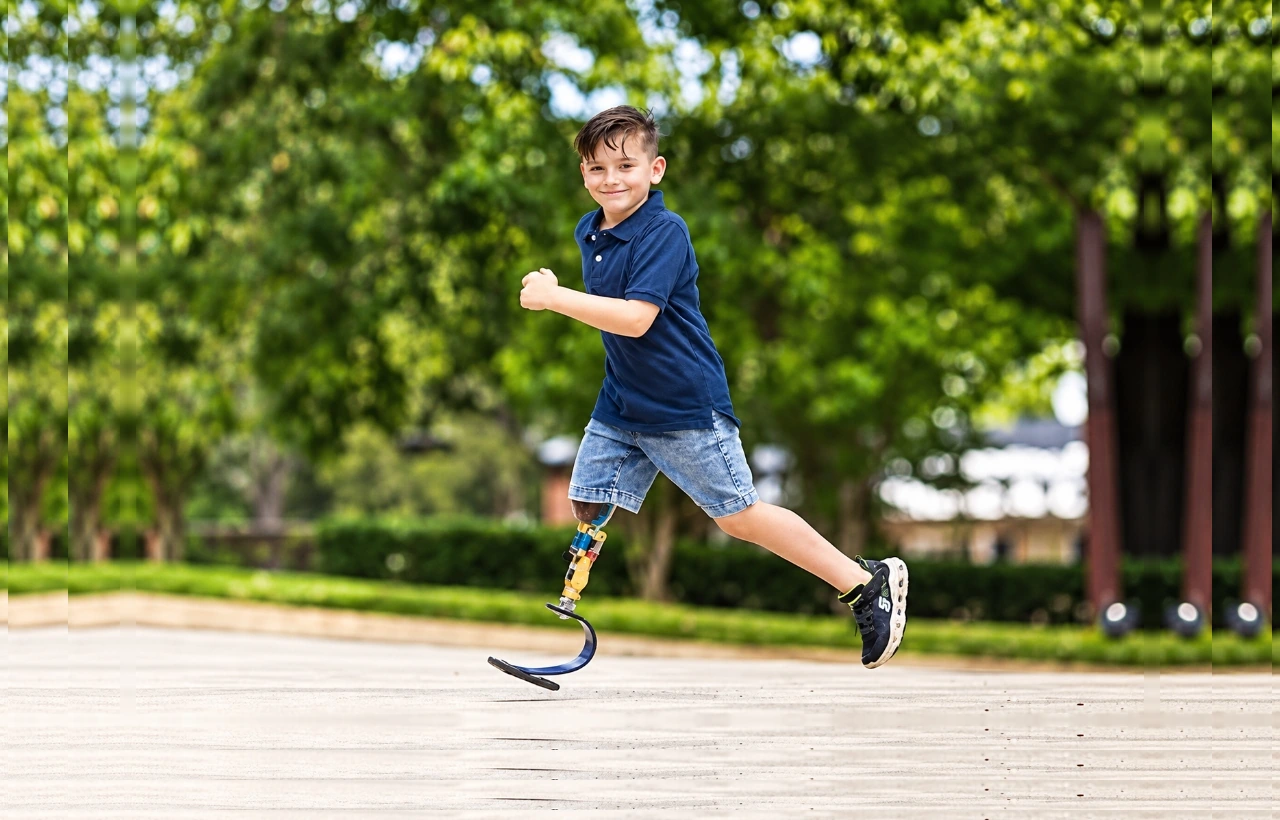
Pediatric prosthetics involves the design, selection, fitting, and ongoing management of artificial limb devices for children with congenital limb differences or acquired limb loss.
Unlike adult prosthetic care, pediatric prosthetic planning must consider physical growth, developmental stages, changing activities, and family circumstances. Depending on the child's needs, a prosthesis may support selected mobility goals, daily activities, or functional tasks.
Different prosthetic designs are available for upper and lower limb requirements. The appropriate solution depends on individual anatomy, developmental readiness, functional goals, and professional assessment. At Quantum Medical, our focus is on personalized prosthetic solutions that consider each child's individual requirements and changing needs over time.
Individualized Prosthetic Design
Devices planned and fabricated according to unique anatomical proportions, developmental needs, and comfort considerations.
Growth-Related Fitting & Adjustments
Prosthetic configurations that can be monitored, adjusted, or replaced as physical growth and limb volume change.
Age-Appropriate Functional Solutions
Component and socket choices designed for children's specific play, educational, and developmental activities.
Family & Healthcare Collaboration
Close coordination between parents, pediatric orthopaedic surgeons, physiotherapists, and occupational therapists.
Individualized Assessment & Respectful Care
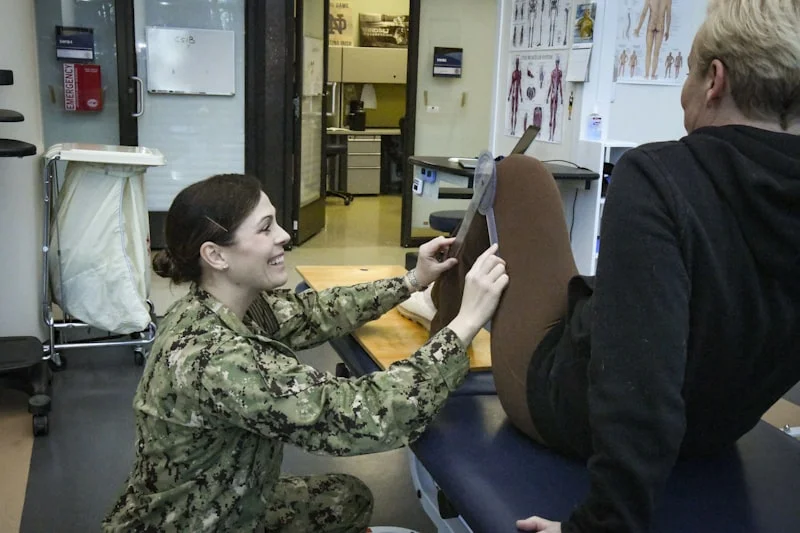
A prosthetic device is neither mandatory nor appropriate for every child with a limb difference. Prosthetic selection depends on individual anatomy, developmental readiness, clinical evaluation, and family preferences. We do not guarantee specific developmental milestones or normal movement, focusing instead on safe, individualized functional support.
Prosthetic Solutions That Consider Growth & Development
Children's prosthetic requirements may change as they grow and develop. Device design, fitting, component selection, and follow-up should consider physical growth, developmental readiness, personal preferences, and daily activities.
Growth-Related Adjustments
As children grow, prosthetic sockets, components, and alignment may require professional review or adjustment. Some devices may allow limited adjustments, while others may require replacement.
Age-Appropriate Components
Prosthetic component selection should consider the child's anatomy, abilities, developmental stage, and intended activities.
Lightweight Design Considerations
Device weight and size are important factors when selecting prosthetic components for children. Appropriate materials and components depend on individual requirements.
Everyday Activities & Participation
Prosthetic planning may consider the child's involvement in school, play, hobbies, and age-appropriate activities. Different devices may support different activity-related needs.
Important Clinical Note on Growth Adjustments:
A prosthesis does not grow automatically or continuously with the child. While some modular components allow limited mechanical adjustments, prosthetic sockets and structural assemblies periodically require professional refitting or replacement during growth spurts to maintain safety, tissue comfort, and biomechanical alignment.
Our Pediatric Prosthetic Solutions
Children with upper and lower limb differences have different anatomical, functional, and developmental needs. Quantum Medical's existing pediatric prosthetic portfolio includes upper limb and lower limb solutions. The appropriate device depends on individual clinical requirements, functional abilities, and personal goals.
Custom Pediatric Lower-Limb Prostheses
Pediatric lower limb prostheses are designed for children with limb loss or congenital differences affecting the foot, lower leg, or upper leg. Depending on the level of limb difference, a prosthesis may be considered to support selected standing, walking, or other mobility-related goals.
Custom pediatric lower limb prostheses are developed according to individual residual limb anatomy, mobility requirements, and growth-related considerations. Depending on the prosthetic configuration, these systems may incorporate custom sockets, suspension components, structural elements, and prosthetic feet.
8 Key Clinical Considerations for Pediatric Lower Limbs:
- Pediatric-specific comfort sockets with soft interfaces
- Alignment structures designed with growth review in mind
- Prosthetic feet selected for child body weight and activity
- Biomechanical support for standing, walking, and play
Custom Pediatric Upper-Limb Prostheses
Pediatric upper limb prostheses are designed for children with limb differences affecting the fingers, hand, forearm, or upper arm. Depending on their design, these devices may provide cosmetic restoration, selected functional assistance, or support during specific activities. Prosthetic selection considers the child's remaining anatomy, functional abilities, personal preferences, and developmental requirements.
Passive Pediatric Prostheses
Passive prostheses are designed primarily for anatomical appearance, positioning, or selected support functions during everyday activities. They generally do not provide powered movement.
Body-Powered Pediatric Prostheses
Body-powered prostheses use the child's body movements via a cable or harness mechanism to operate a terminal device. Suitability depends on physical capabilities and readiness.
Myoelectric Pediatric Prostheses
Myoelectric prostheses use electrical signals from muscle contractions to control powered components. Suitability requires viable muscle signals, training, and careful assessment.
Activity-Specific Prostheses
Activity-specific devices feature specialized attachments designed to support participation in particular hobbies, such as cycling, musical instruments, sports, or creative arts.
Explore Our Pediatric Prosthetic Options
Pediatric Lower-Limb Prosthetics
Personalized lower limb prosthetic solutions developed according to children's anatomical, mobility, and growth-related needs.

Pediatric Upper-Limb Prosthetics
Customized hand and arm prosthetic solutions designed around individual functional, developmental, and activity requirements.
Adapting Prosthetic Care as Children Grow
Children's growth can influence prosthetic fit, alignment, socket requirements, and component suitability. As a child develops, their daily activities, functional goals, and personal preferences may also change. Regular professional reviews can help determine whether adjustments, component changes, or device replacement may be appropriate.
Growth Monitoring
Reviewing changes in anatomical measurements, device fit, and functional requirements during scheduled clinical evaluations.
Socket Adjustments
Some socket configurations may allow temporary padding or liner changes, while others require refabrication as the child grows.
Component Review
Prosthetic component size, weight, and mechanical functionality may need reassessment over time as body mass and activity increase.
Changing Activity Needs
Device requirements may change as children participate in new school, recreational, and daily activities requiring different functional adaptations.
Supporting Children's Everyday Activities
Children participate in a wide range of activities as they grow. Prosthetic planning may consider personal care, school activities, play, hobbies, and mobility goals. The importance and usefulness of a prosthesis may vary between activities and individuals. Some children may use a prosthesis for selected tasks while preferring to perform other activities without it. Appropriate decisions should consider the child's preferences, comfort, abilities, and healthcare team's recommendations.
School Activities
Prosthetic requirements may consider selected classroom activities, school routines, and everyday functional tasks.
Play & Recreation
Individual prosthetic options may be considered for age-appropriate recreational activities and personal interests.
Daily Living Skills
Selected prosthetic devices may support particular daily tasks, depending on their design and the child's abilities.
Individual Preferences
Children's preferences and comfort should be considered when planning prosthetic use and follow-up.
Personalized Prosthetic Design for Growing Children
Pediatric prosthetic development requires consideration of individual anatomy, device purpose, component size, weight, and growth-related requirements. Depending on the device, digital technologies may support prosthetic measurement, design, or fabrication. These may include digital scanning, CAD/CAM-assisted design, and appropriate manufacturing methods. Technology supports device customization but does not replace professional assessment or fitting.
Anatomical Measurement
Relevant anatomical measurements and information are considered during prosthetic planning to ensure precise residual limb proportions.
Digital Design
Appropriate digital tools and CAD software support device customization, load-path modeling, and design refinement.
Device Fabrication
Suitable materials, flexible liners, and clinical fabrication methods are selected according to the required prosthetic design.
Fitting & Adjustments
Device fit, socket comfort, and functional alignment are reviewed carefully, with adjustments made where appropriate.
From Assessment to Ongoing Prosthetic Support
Pediatric prosthetic planning involves understanding individual anatomy, developmental requirements, family preferences, and functional goals. The process may require coordination between prosthetic professionals, families, and relevant healthcare teams.
Assessment & Requirements
Reviewing relevant clinical information, anatomy, developmental needs, and individual child and family goals.
Prosthetic Planning
Considering suitable device configurations, components, and age-appropriate requirements.
Design & Fabrication
Developing the prosthetic solution using appropriate materials and verified fabrication methods.
Fitting & Adaptation
Reviewing device fit, comfort, and relevant function, with appropriate caregiver guidance.
Growth Reviews & Follow-Up
Considering changes in growth, prosthetic fit, component needs, and daily activities over time.
Working Together with Children & Families
Family involvement is an important consideration in pediatric prosthetic care. Parents and caregivers may help communicate the child's needs, daily activities, comfort concerns, and changing requirements. As children become older, their own preferences, goals, and views should play an appropriate role in decisions. Prosthetic planning should recognize that children develop at different rates and may have different attitudes towards device use.
Family Communication
Understanding family concerns, practical day-to-day requirements, expectations, and home routines.
Child-Centred Decisions
Considering the child's abilities, preferences, comfort, and developmental readiness with dignity and respect.
Ongoing Guidance
Providing relevant fitting, skin checks, and follow-up information where these services are available.
Supporting Pediatric Prosthetic Rehabilitation
Pediatric prosthetic care may involve coordination between prosthetists, medical specialists, physiotherapists, occupational therapists, children, and families. Depending on the child's needs, rehabilitation may address selected mobility, device control, functional activities, or adaptation requirements. The relevant healthcare team can determine the appropriate rehabilitation approach. Quantum Medical welcomes collaboration with healthcare professionals involved in pediatric prosthetic care.
Prosthetic Assessment
Reviewing appropriate device, socket interface, and functional component requirements.
Physiotherapy Coordination
Where applicable, supporting communication with professionals involved in mobility, balance, and gait training.
Occupational Therapy
Where applicable, supporting communication with therapists involved in daily activities and upper limb functional tasks.
Follow-Up Communication
Reviewing prosthetic requirements and biomechanics as growth and activity needs evolve.
Prosthetic Fitting, Care & Follow-Up for Children
Appropriate prosthetic fitting, device maintenance, skin monitoring, and follow-up are important considerations for children using prosthetic devices. As children grow, prosthetic requirements may change. Parents and caregivers should follow the guidance provided by the treating healthcare team and prosthetic professional.
Appropriate Fit
Prosthetic fit should be evaluated regularly according to the child's anatomy, comfort, and functional requirements.
Skin Monitoring
Parents should seek professional advice if they notice persistent redness, pressure marks, irritation, or discomfort.
Device Maintenance
Cleaning and maintenance routines depend on prosthetic materials, components, and manufacturer guidelines.
Growth-Related Reviews
Professional follow-up is needed when growth, physical activities, or residual limb volume changes affect device fit or function.
Frequently Asked Questions About Pediatric Prosthetics
Clear, medically responsible answers to common enquiries from parents, caregivers, and clinicians.
Explore Related Prosthetic Solutions
Browse our broader range of adult and specialized prosthetic rehabilitation services in the UAE.
Looking for a Pediatric Prosthetic Solution?
Whether you are a parent exploring prosthetic options for your child or a healthcare professional seeking information about pediatric prosthetic devices, Quantum Medical welcomes your enquiry. Contact our team to discuss available solutions, individual requirements, and appropriate next steps.